Oxylabs is not the kind of proxy provider you choose because you need a few cheap IPs for a small side project. It is built for companies, developers, data teams, SEO platforms, ad verification tools, cybersecurity firms, market intelligence teams, and affiliate businesses that need large scale access to public web data without constantly fighting bans, CAPTCHAs, unstable IPs, and poor geo coverage.
The short verdict is simple: Oxylabs is one of the strongest premium proxy providers for serious web scraping and data collection, especially if your project needs scale, clean infrastructure, advanced geo targeting, and reliable performance. It is not the most beginner focused option in the market, and it will not always be the cheapest choice for small users. But for businesses where failed requests cost money, its infrastructure makes a strong case.
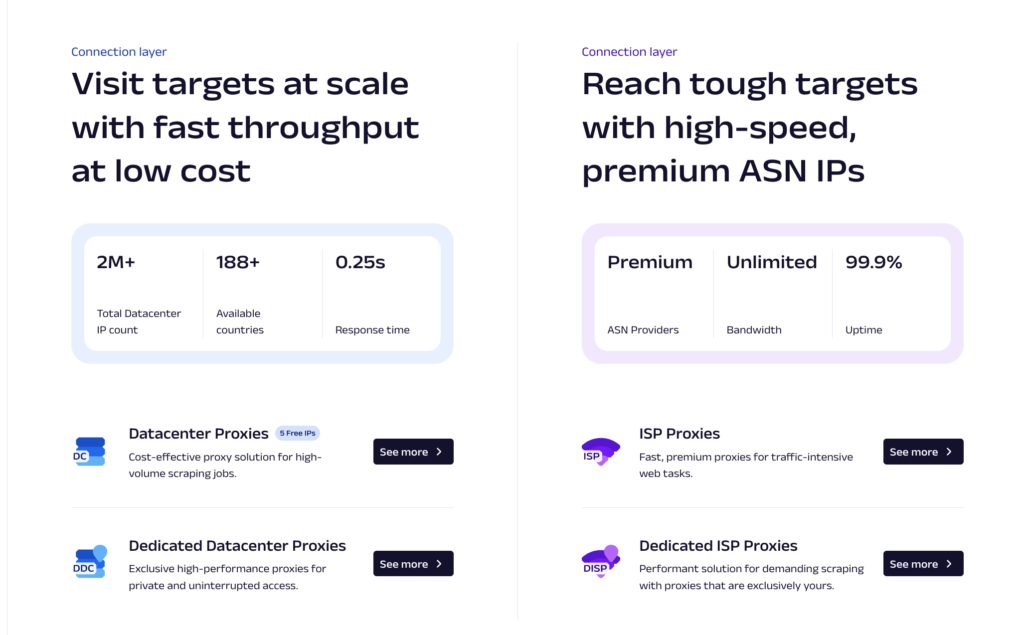
What makes Oxylabs stand out is the size and depth of its network. The company currently advertises a residential proxy pool of more than 175 million IPs across 195 countries, along with a dedicated datacenter proxy pool of more than 2 million IPs in 188 countries.
That level of coverage matters when you are scraping localized search results, tracking eCommerce prices, verifying ads across regions, checking travel fares, monitoring competitors, or building data pipelines for AI and market research.
Oxylabs Core Infrastructure: Proxy Pool, Locations, and Uptime Performance
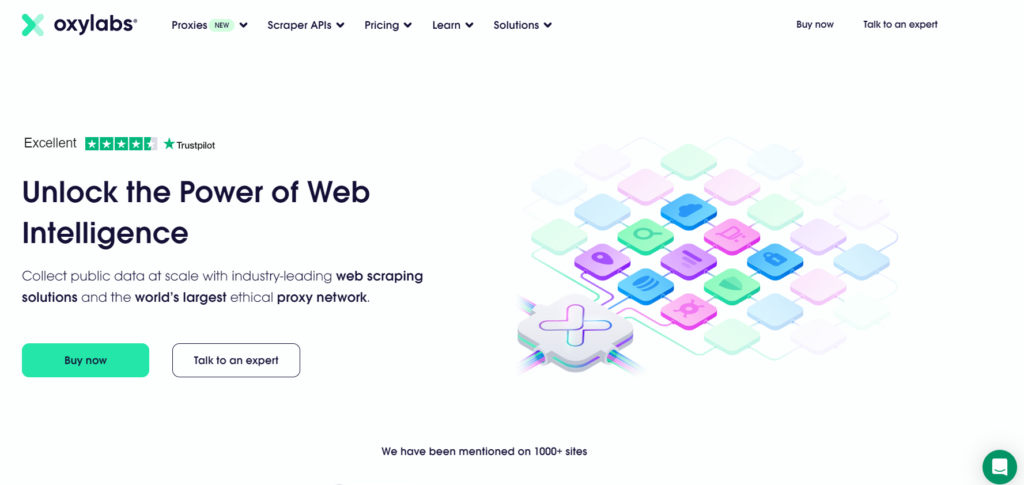
The biggest strength of Oxylabs is its infrastructure scale. A proxy network is only useful if it gives you enough clean IPs, enough locations, and enough routing stability to keep your campaigns running. On that front, Oxylabs is clearly positioned at the premium end of the market.
Its residential proxy network uses real ISP assigned IP addresses. These are not ordinary server based IPs from a data center. Residential IPs are attached to real devices and real internet service providers, which makes them more suitable for websites that are sensitive to datacenter traffic. This is why residential proxies are usually preferred for use cases like price scraping, sneaker market tracking, localized SERP monitoring, review monitoring, social listening, brand protection, and competitor research.
The residential pool is spread across 195 countries, with targeting options that can go beyond country level. Oxylabs supports targeting by continent, country, state, city, ZIP code, coordinates, ASN, and in some cases even platform or operating system filters. That matters when accuracy is more important than just “getting any IP.” For example, a travel fare aggregator may need results from a specific city, while an SEO tool may need to check local rankings from different regions inside the same country. A generic proxy location is not enough for those jobs.
Oxylabs also focuses heavily on performance. Its residential proxy page highlights a fast response time, premium IP quality filtering, automatic proxy rotation, and a reported 99.95 percent residential proxy success rate. The practical benefit is not just speed. It is fewer failed requests, fewer wasted retries, and less engineering time spent adjusting scraper logic because the proxy layer keeps breaking.
On the datacenter side, Oxylabs offers more than 2 million dedicated datacenter IPs across 188 countries. These proxies are better suited for high volume tasks where speed, bandwidth, and cost control matter more than looking like a residential user. Datacenter proxies are useful for scraping less protected websites, running SEO crawlers, checking public pages at scale, brand monitoring, cybersecurity research, QA testing, and data heavy workflows where residential traffic would be too expensive.
The uptime claims are also strong. Oxylabs lists 99.9 percent uptime for dedicated datacenter proxies. In practical terms, uptime matters because large scraping projects often run continuously. If your system collects prices every hour, checks ads daily, or tracks inventory across thousands of URLs, downtime does not just create inconvenience. It creates missing data, reporting gaps, and broken automation.
Oxylabs Product Breakdown: Residential, Datacenter, and Next Gen Residential Proxies
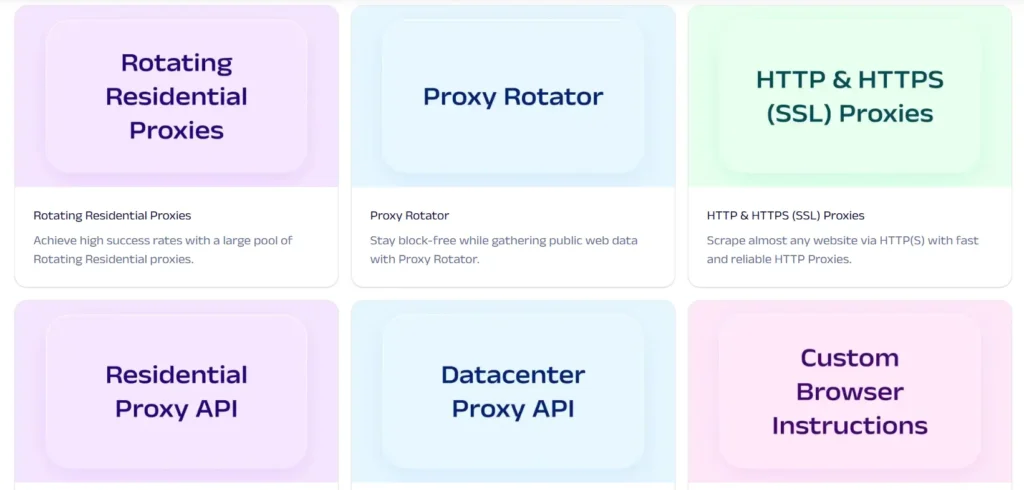
Oxylabs can feel complex because it has several proxy and data collection products. But the core proxy offering can be understood in three major layers: Residential Proxies, Datacenter Proxies, and the more automated Next Gen Residential style solution that now lives under Web Unblocker.
Oxylabs Residential Proxies
Oxylabs Residential Proxies are the main product for users who need a large, trusted, globally distributed IP pool. These proxies are best for scraping public websites that are sensitive to repeated requests, geo based content, or datacenter IP ranges.
The biggest advantage is legitimacy. Since residential IPs come from real internet service providers, they usually appear more natural than datacenter proxies. That does not mean you can scrape carelessly. You still need proper request pacing, clean headers, session control, and respect for legal limits. But for serious data collection, residential proxies give you a much better foundation than free proxies or cheap shared IP lists.
Oxylabs supports rotating and sticky sessions. Rotating sessions are useful when you want a new IP frequently, such as when collecting large datasets from many product pages. Sticky sessions are better when you need to keep the same IP for a set period, such as logging into a test account, maintaining a shopping session, or checking localized content without changing identity too often.
The provider also offers advanced filters, including IP version and platform targeting. These are not features every small proxy provider offers. They are especially useful when a target website behaves differently based on device type, IP format, or regional routing.
Oxylabs Datacenter Proxies
Oxylabs Datacenter Proxies are designed for speed, volume, and predictable control. They do not carry the same trust profile as residential IPs because they come from server infrastructure, but they are faster, cleaner to manage, and more cost efficient for many large scale workflows.
Dedicated datacenter proxies are especially useful when you want control over IP reputation. Since the IPs are not shared with random users, you have a better chance of maintaining consistent performance. This matters for long running crawlers, market research tools, competitive intelligence platforms, and internal monitoring systems.
Oxylabs lists 2M+ dedicated datacenter IPs, 188 countries, city and state targeting for enterprise plans, proxy rotation, high volume data allowance, HTTP, HTTPS and SOCKS5 protocol support, and support for integrations such as Python, cURL, Node.js, PHP, Go, Java, C Sharp, Selenium, Puppeteer, Playwright, Scrapy, and browser proxy tools.
For developers, this is where Oxylabs feels strong. It is not just selling IPs. It is giving teams a proper proxy layer that can be integrated into scraping scripts, automation tools, and data pipelines.
Oxylabs Next Gen Residential Proxies and Web Unblocker
Oxylabs previously used the name Next Gen Residential Proxies for its more advanced automated unblocking solution. That product has since evolved into Web Unblocker, which is now positioned as an AI powered proxy solution for bypassing advanced website blocking systems.
This is different from using a normal proxy pool. With regular residential proxies, your team still manages headers, cookies, retries, browser fingerprints, JavaScript rendering, and proxy rotation logic. Web Unblocker handles much of that automatically. It is designed for cases where standard proxies are not enough, especially when websites use strong anti bot systems, dynamic JavaScript, fingerprinting checks, or aggressive CAPTCHA triggers.
For example, a regular residential proxy may be enough for scraping public product pages from a moderately protected eCommerce site. But if the site checks browser behavior, header consistency, cookies, and JavaScript execution, the proxy alone may not solve the problem. Web Unblocker adds the intelligent unblocking layer on top of the proxy network.
This makes it useful for larger teams that want to reduce maintenance work. Instead of constantly adjusting scraper fingerprints and retry logic, they can route requests through a managed unblocking system. It is not a magic fix for every website, but it can save a lot of engineering time when standard proxy rotation starts failing.
Oxylabs Proxy Features and Technical Specs
| Product | Best For | Proxy Pool and Coverage | Session Control | Protocols and Integration | Key Strength |
|---|---|---|---|---|---|
| Residential Proxies | Public web scraping, price monitoring, ad verification, SEO rank tracking, localized research | 175M+ residential IPs across 195 countries | Rotating sessions and sticky sessions up to 24 hours | HTTP, HTTPS, SOCKS5, dashboard, endpoint generator, API support | Strong trust profile with deep geo targeting |
| Dedicated Datacenter Proxies | High volume scraping, brand monitoring, QA testing, cybersecurity, market intelligence | 2M+ dedicated datacenter IPs across 188 countries | Proxy rotation and controlled dedicated IP usage | HTTP, HTTPS, SOCKS5, Python, cURL, Node.js, PHP, Go, Java, C Sharp, Selenium, Playwright, Puppeteer, Scrapy | Speed, uptime, scalability, and IP control |
| Web Unblocker, formerly Next Gen Residential Proxies | Difficult websites with anti bot systems, CAPTCHA triggers, JavaScript heavy pages, advanced scraping workflows | Uses Oxylabs’ large ethically gathered proxy pool with global coverage | Automated proxy rotation, session management, retries, and browser fingerprint handling | Proxy style integration with managed unblocking layer | Reduces manual scraper maintenance and improves access reliability |
| Shared Datacenter Proxies | Lower cost scraping, simple monitoring, less protected targets | Smaller shared datacenter pool depending on plan and location | Automatic rotation and dashboard management | HTTP, HTTPS, SOCKS5 | Budget friendly speed for less complex targets |
| SOCKS5 Proxies | Traffic intensive tasks, apps that need SOCKS5 support, cybersecurity workflows | Residential and dedicated options depending on product | Depends on selected proxy type | SOCKS5 support for compatible tools and applications | Flexible protocol support for advanced users |
The key takeaway from this feature set is that Oxylabs is not trying to be a one size fits all cheap proxy provider. Its real value comes from matching the right proxy type to the right job. Residential proxies are best when trust and location accuracy matter. Datacenter proxies are better when speed and cost per request matter. Web Unblocker is the stronger option when regular proxy rotation cannot consistently get through anti bot systems.
That product depth is also why Oxylabs works well for affiliate marketers, SEO teams, SaaS platforms, travel data companies, eCommerce intelligence tools, and AI data workflows. If your project only needs a few proxies for light testing, Oxylabs may be more than you need. But if you need dependable infrastructure for collecting public data at scale, it is one of the most serious options in the market.
Oxylabs Pricing: Premium Infrastructure With Flexible Entry Points
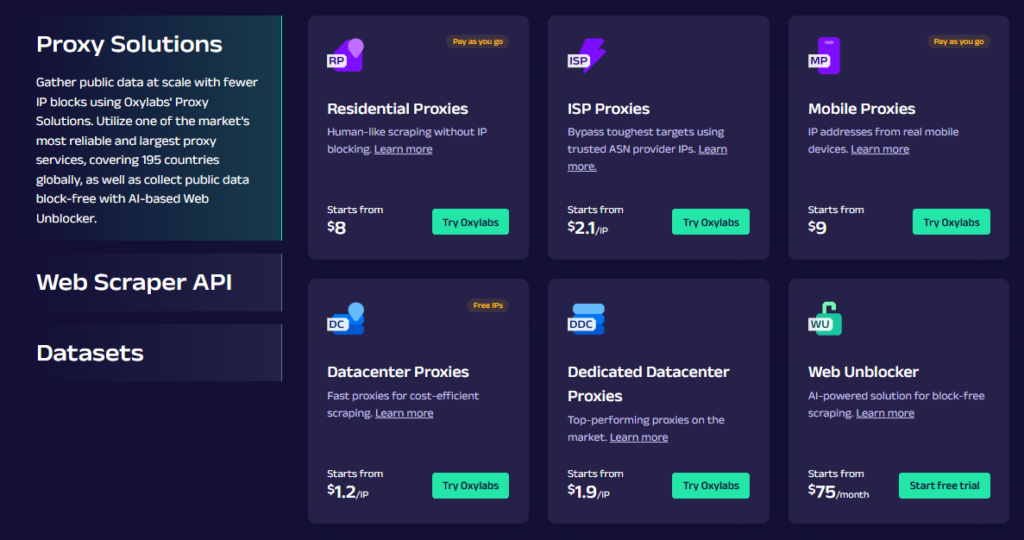
Oxylabs pricing is not built around the cheapest possible proxy access. It is built around scale, quality, and predictable performance. That is an important distinction because many proxy buyers compare providers only by the lowest advertised price per GB or per IP. In real scraping work, the cheaper proxy can become more expensive if it causes high failure rates, repeated retries, blocked sessions, weak location accuracy, or wasted developer hours.
For residential proxies, Oxylabs uses bandwidth based pricing. The entry plan starts at $30 per month for 5GB, which works out to $6 per GB. The Basic plan gives 20GB for $100 per month at $5 per GB. The Advanced plan includes 125GB for $500 per month at $4 per GB. The Corporate plan gives 1TB for $2,500 per month at $2.50 per GB.
That pricing makes Oxylabs easier to enter than it used to be, but it still sits closer to the premium side of the market. A small affiliate site owner who only needs a few GB for testing SERP results may find cheaper residential providers more attractive. A SaaS company scraping prices daily from hundreds of eCommerce sites will look at the pricing differently because reliability, location coverage, and support matter more than saving a few cents per GB.
Datacenter pricing is more flexible. Oxylabs offers a free trial with 5 US IPs and 5GB per month. The pay per IP option starts at $1.20 per IP with a 10 IP minimum, meaning the lowest paid monthly entry is $12. This includes unlimited bandwidth with fair usage. There is also a pay per traffic model starting at $0.59 per GB, with a minimum 20GB package priced at $11.80 per month. For users who need fast scraping at lower cost, this is one of the more practical ways to start with Oxylabs.
Web Unblocker is priced differently because it is not just a raw proxy product. It includes automated unblocking, proxy management, response handling, and anti bot logic. Oxylabs currently lists a free trial with 1GB, up to 10,000 results, and no credit card requirement. The Micro plan includes 8GB, the Starter plan includes 38GB, and the Advanced plan includes 88GB. Regular pricing starts at $75 per month for Micro, although Oxylabs also shows discounted pricing through promotional codes from time to time.
| Oxylabs Product | Starting Plan | Pricing Model | Best For |
|---|---|---|---|
| Residential Proxies | $30 per month for 5GB | Bandwidth based | Scraping protected sites, local SERP checks, price monitoring, ad verification |
| Datacenter Proxies | Free trial, then from $12 per month | Per IP or per GB | High speed crawling, less protected websites, bulk monitoring |
| Web Unblocker | Free trial, then from $75 per month regular pricing | Traffic based | Tough websites with anti bot systems, CAPTCHAs, JavaScript checks |
| ISP Proxies | Starts around per IP pricing | Static residential style IPs | Long sessions, account based workflows, stable location identity |
| Mobile Proxies | Priced per GB | Bandwidth based | Mobile first testing, app research, mobile SERP and ad checks |
Oxylabs vs Competitors: Where It Wins and Where It Feels Expensive
Oxylabs competes most directly with Bright Data, Decodo, SOAX, NetNut, and a few lower cost providers like Webshare or IPRoyal. The right comparison depends on the type of buyer.
Against Bright Data, Oxylabs feels like a premium enterprise alternative with a slightly cleaner proxy focused experience. Bright Data has a huge ecosystem around datasets, scraping APIs, browser tools, proxy networks, and data feeds. It is extremely powerful, but some users find it heavy if they only need proxies. Oxylabs also has scraping APIs and advanced tools, but its proxy offering feels easier to evaluate if your main need is residential, datacenter, ISP, mobile, or Web Unblocker access.
Compared with Decodo, formerly Smartproxy, Oxylabs is usually the more enterprise focused choice. Decodo is easier for small teams, affiliate marketers, SEO users, and solo developers who want a smoother entry point and lower residential proxy pricing. Oxylabs wins when you need larger infrastructure, deeper enterprise support, stronger compliance posture, broader datacenter coverage, and advanced unblocking for difficult targets.
SOAX is a strong mid market competitor because it offers a large proxy pool, flexible plans, and access to multiple proxy types under one plan. For users who want simple access to residential, mobile, ISP, and datacenter proxies without building a more complex setup, SOAX can be attractive. Oxylabs still feels stronger for high scale public data collection, especially when the project involves advanced scraping logic, strict uptime needs, or dedicated account management.
NetNut is another serious competitor, especially for users who want stable residential and ISP style infrastructure. Its pricing can look attractive at higher volume, and it has a strong focus on performance. Oxylabs has the advantage in broader product depth, Web Unblocker, scraping APIs, larger visible datacenter coverage, and a more complete enterprise data collection stack.
| Provider | Best Strength | Where Oxylabs Has an Edge |
|---|---|---|
| Bright Data | Massive data collection ecosystem and very large residential pool | Cleaner premium proxy experience for teams focused on proxies plus unblocking |
| Decodo | Lower entry pricing and beginner friendly dashboard | Better fit for enterprise scraping, large teams, and advanced proxy requirements |
| SOAX | Flexible all in one proxy access and strong mid market pricing | Deeper enterprise infrastructure and stronger advanced scraping stack |
| NetNut | Strong residential and ISP focused proxy network | Wider product range, Web Unblocker, and richer scraping infrastructure |
| Webshare | Affordable datacenter and beginner friendly plans | Oxylabs is stronger for scale, support, location coverage, and complex scraping |
Real World Use Cases: Who Gets the Most Value From Oxylabs?
Oxylabs is best for users who treat web data as part of their business operations, not as a one time experiment. If your team collects pricing data, search rankings, product listings, stock availability, public business records, job listings, travel fares, or ad placements every day, the value of a stable proxy provider becomes obvious.
For SEO teams, Oxylabs is useful for local rank tracking, SERP scraping, keyword monitoring, competitor visibility checks, and search result testing across multiple countries or cities. City and state targeting can be useful when checking how rankings differ between locations.
For eCommerce and retail intelligence, residential proxies and Web Unblocker are the most relevant products. Price monitoring tools often need to access product pages repeatedly without receiving distorted prices, blocked pages, or region mismatched results. Oxylabs helps keep that data collection process more stable.
For affiliate marketers, the value depends on the project. If you are running basic content sites, Oxylabs may be overkill. But if you are checking SERP movement, tracking advertiser landing pages, monitoring competitor offers, verifying coupon pages, or researching geo specific search results, the residential and datacenter plans can be useful.
For cybersecurity and brand protection teams, Oxylabs can support threat intelligence, phishing monitoring, fake listing detection, ad fraud checks, and counterfeit product tracking. These tasks often need many locations and a proxy layer that does not collapse when volume increases.
For AI and data teams, Oxylabs is becoming more relevant because modern AI products need fresh public web data. The company now positions part of its platform around data for AI, including public web data, search data, multimodal data, and scraping infrastructure for RAG and agent workflows.
Oxylabs Pros and Cons
Oxylabs has a lot of strengths, but it is not perfect for every buyer. The main question is whether your project needs premium proxy infrastructure or just cheap access to IPs.
Pros:
• Very large residential proxy pool with global coverage
• Strong datacenter proxy network with flexible per IP and per traffic pricing
• Web Unblocker helps with difficult websites and advanced blocking systems
• Strong geo targeting options for SEO, ads, pricing, and market research
• Good fit for enterprise teams, developers, SaaS platforms, and data companies
• 24/7 support and dedicated account management on many plans
• Supports common protocols and developer integrations
Cons:
• More expensive than budget proxy providers for small users
• Some products may feel advanced for beginners
• Web Unblocker pricing can become costly for heavy traffic use
• Best value appears when you have serious data volume or business critical scraping needs
• Smaller users may not need the full enterprise level feature set
Final Verdict: Is Oxylabs Worth It?
Oxylabs is worth it if your proxy needs are tied to revenue, product data, SEO intelligence, price tracking, ad verification, cybersecurity, or AI data collection. It is built for users who cannot afford unstable proxies, weak location targeting, poor support, or constant scraper failures.
It is not the cheapest proxy provider, and that is not really its goal. The value comes from scale, clean infrastructure, strong location coverage, flexible proxy types, advanced unblocking, and a product stack that can grow from simple proxy use into full public web data collection.
For beginners or very small projects, Decodo, Webshare, or other budget friendly providers may be easier to justify. For businesses, agencies, data teams, and serious affiliate or SEO operations, Oxylabs is one of the strongest premium choices in the proxy market.
The best recommendation is to choose Oxylabs when reliability matters more than the lowest starting price. Residential proxies are the right choice for trust sensitive scraping and local data. Datacenter proxies are the better pick for speed and lower cost tasks. Web Unblocker is the product to consider when regular proxies are not enough and your team wants to reduce the time spent fighting anti bot systems.
Overall, Oxylabs earns its place as a top tier proxy provider. It is powerful, scalable, technically mature, and clearly designed for serious users who need dependable public data access at scale.